
Why the Smokies?
The southern Appalachians are filled with remarkable sights and stories, from dramatic mountain geology to waterfalls, wildlife, historic churches, and Appalachian communities.
A Landscape Clothed in Life
At the Grand Canyon, the rocks command your attention. Vast cliffs and exposed layers make geology difficult to miss. The Smokies are almost the opposite. Here the underlying mountain structure is wrapped in forests, streams, mist, wildlife habitat, soil, and a remarkable abundance of living things.
That difference is exactly what makes the Smokies so rewarding to explore with a knowledgeable guide. The geology is still there, sometimes dramatically exposed in folded and layered roadside rock, but it is part of a larger living landscape. In a single day we can move from a discussion of mountain-building and erosion to forest ecology, stream systems, plants, wildlife, and the history of the people who have lived among these ridges.
Instead of treating those subjects as unrelated lessons, we can ask how they fit together. The mountains provide the setting, but the real subject is the whole landscape.
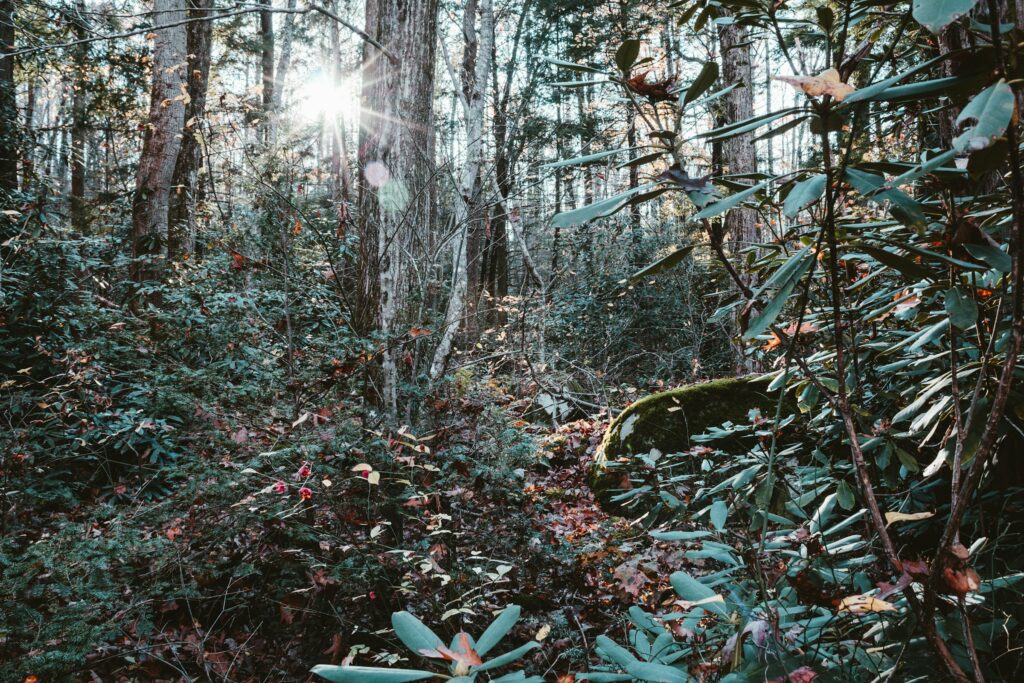
Why These Mountains Work So Well for Creation Teaching
The Smokies offer a remarkable variety of discoveries, all brought together through the stories and teaching of our guides.
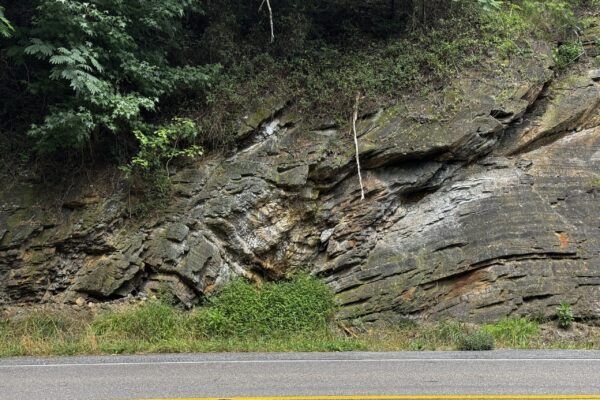
Geology
Folded strata, deformation, erosion, uplift, and mountain-building provide a natural setting for discussing catastrophic earth history and the global Flood.
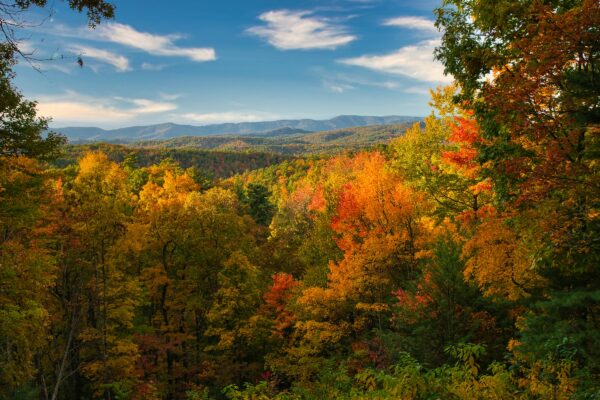
Forests & Plants
The southern Appalachians support layered forest communities, wildflowers, mosses, fungi, and ecological relationships that reward close observation.

Wildlife
Black bears, elk, deer, birds, salamanders, insects, and countless other creatures make the park an exceptional place to discuss living creation.
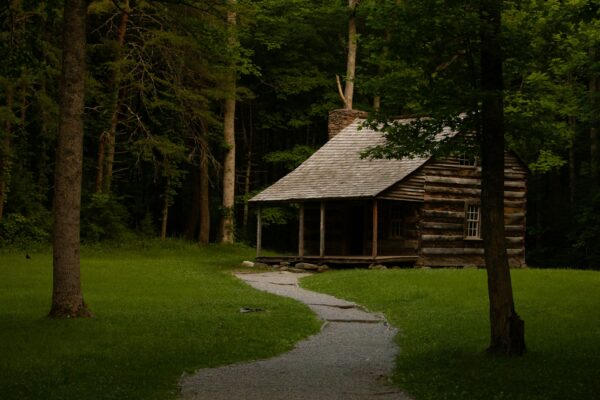
People & Place
Cherokee history, Appalachian communities, historic structures, roads, and park history connect generations of human experience to the mountain landscape.
A Different Window into Earth History
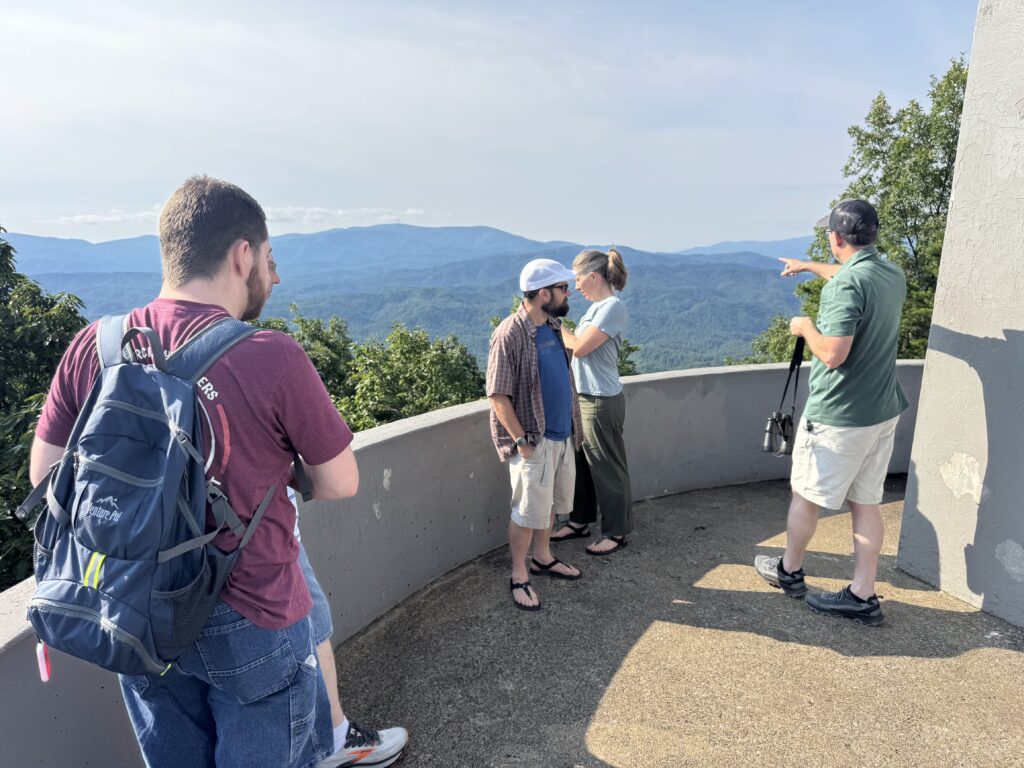
The Appalachians raise questions that are different from those asked in the desert Southwest. Their rocks have been folded, faulted, uplifted, eroded, weathered, and heavily vegetated. Streams cut through the landscape, soils cover much of the bedrock, and the forest often hides the geology until a road cut, stream bed, or overlook reveals it.
For a biblical creation tour, that makes the Smokies especially useful. Rather than presenting one simplified feature as if it tells the whole story, we can compare multiple kinds of evidence and discuss how they fit within a recent creation and global-Flood framework.
Our guides encourage questions and help guests understand the difference between what we can observe in the rocks and landscape and how those observations are interpreted.
Field NoteThe Smokies often conceal their geology beneath thick forests, soil, and vegetation, making exposed rock especially valuable for understanding the mountains. Along streams, roadcuts, overlooks, and weathered slopes, look for layers that tilt or fold, fractures cutting through the rock, and places where running water has exposed the underlying structure. These scattered windows into the bedrock help reveal how the mountains have been deformed, uplifted, and eroded, even when much of their geological story remains hidden beneath the trees.
The Living World Is Part of the Story
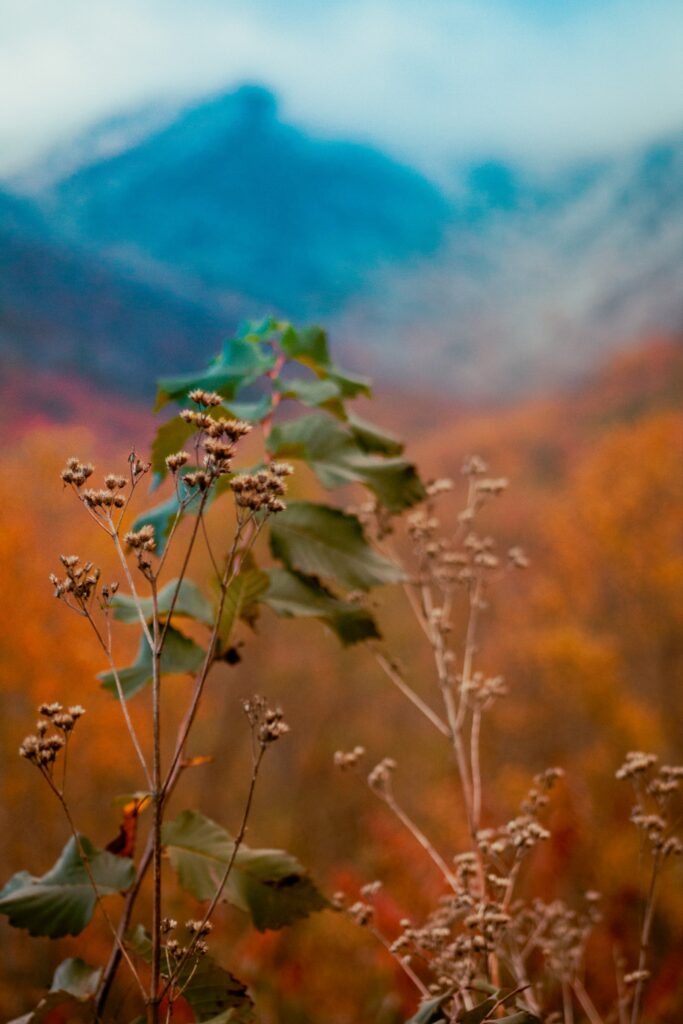
The Smokies are famous for biodiversity, and that living richness changes the kind of questions we can ask on tour. Why do particular plants thrive at one elevation and not another? How do forest communities change with moisture and temperature? Why do salamanders flourish here? How do streams, soils, vegetation, and animal life interact?
Those observations allow us to discuss design, adaptation, stewardship, variation within created kinds, and the way living systems function together. The forest is not scenery around the lesson. It is part of the lesson.
Teaching Where the Evidence Can Be Seen
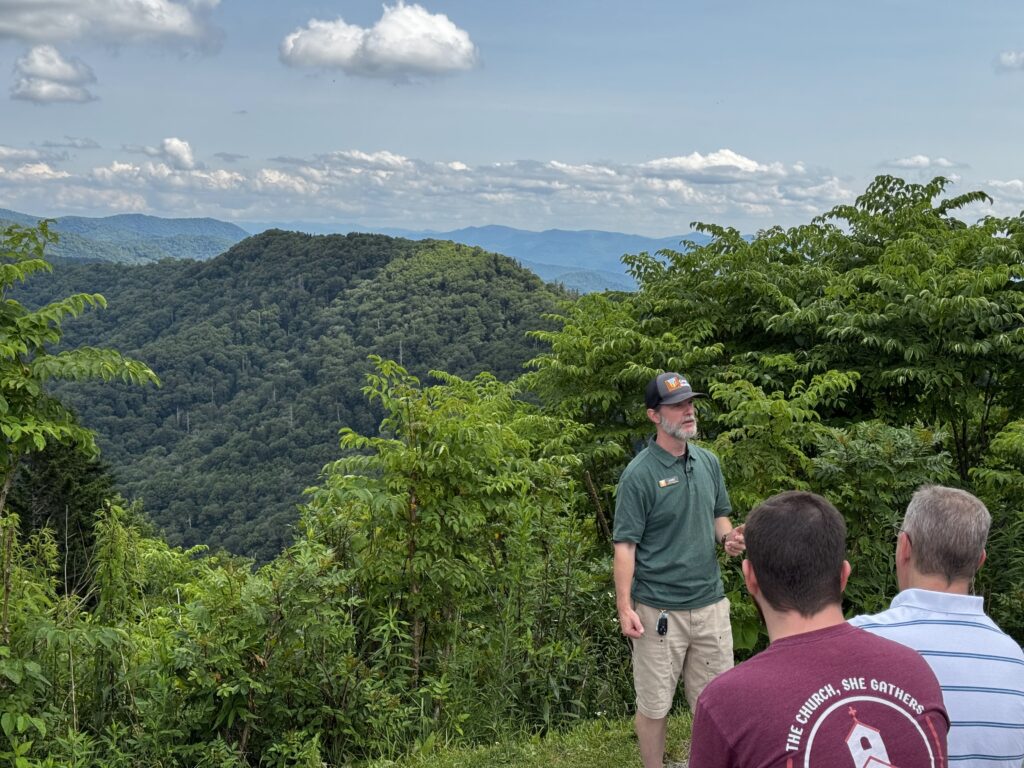
Canyon Ministries has always been built around engaging guides and unforgettable experiences. Concepts become easier to understand when a guide can point to the feature being discussed, hand someone a rock sample, trace a fold in an outcrop, identify a plant, or connect a historic structure with the people who once lived there.
The Smokies give us dozens of opportunities to do exactly that. A tour is not about seeing how much information we can fit into a day. It is about choosing places where the landscape itself helps make the lesson memorable.