
Biology & Ecology
Forests, wildlife, streams, flowers, fungi, and extraordinary biodiversity make the Smokies one of the most fascinating places to explore living creation in eastern North America.
Creation on Every Scale
The Smokies invite us to look closely. A sweeping mountain panorama can reveal the grandeur of creation, while a mushroom on a fallen log, moss on a boulder, or a wildflower beside the trail can reveal astonishing detail.
Canyon Ministries approaches these living systems as purposeful parts of God’s creation. We can explore habitat, adaptation, ecological relationships, stewardship, seasonal change, and the way organisms interact with the mountain environment while keeping Scripture at the center of our worldview.
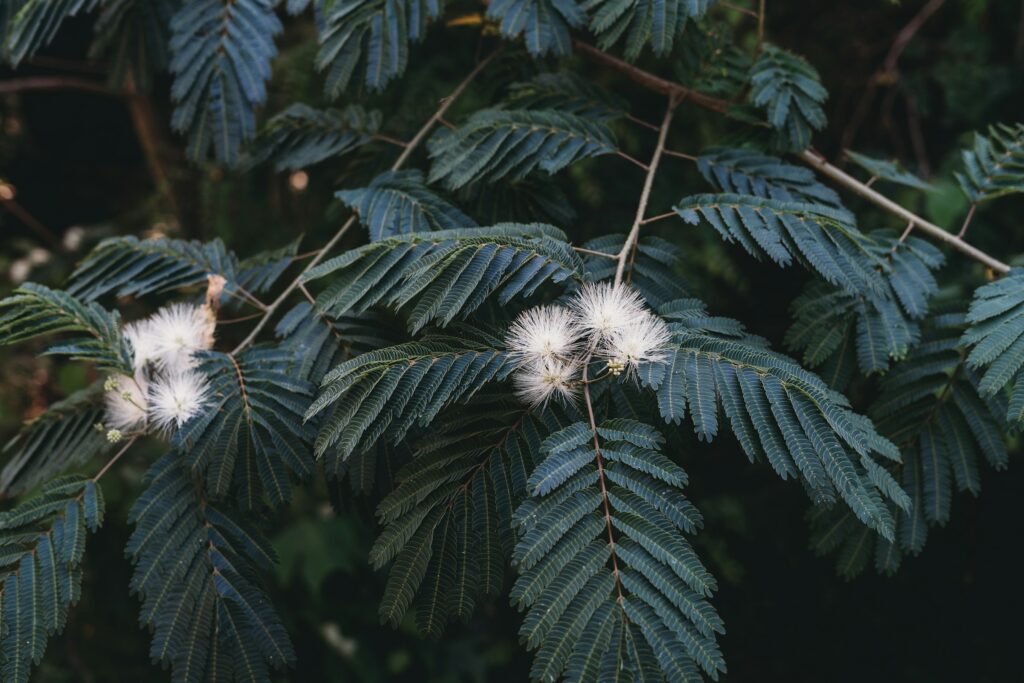
A Living Appalachian Classroom
From large mammals to tiny organisms, the Smokies give us countless opportunities to slow down, observe carefully, and ask good questions.
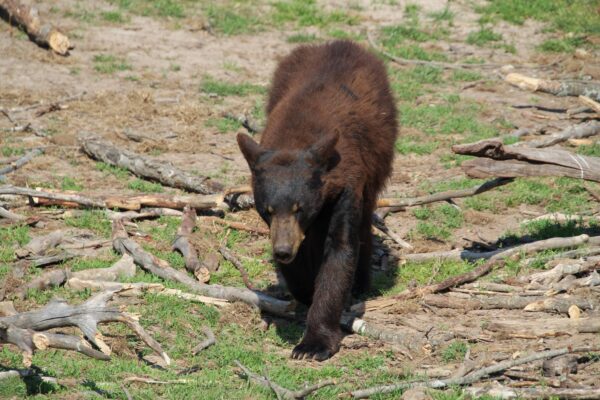
Bears & Wildlife
Black bears, elk, deer, birds, salamanders, and many smaller animals reveal the variety of life found across the park.
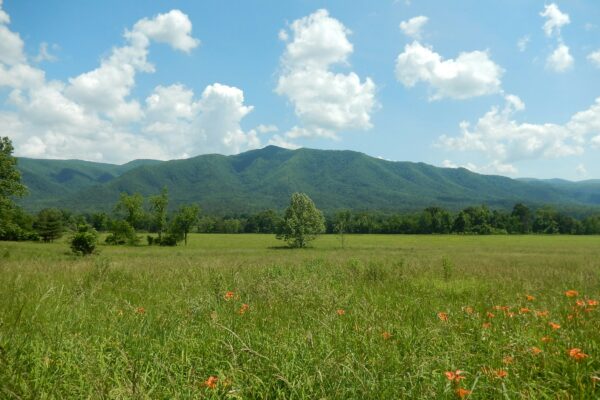
Forests & Wildflowers
Elevation, moisture, slope, and season combine to produce diverse forests, wildflowers, and changing plant communities.
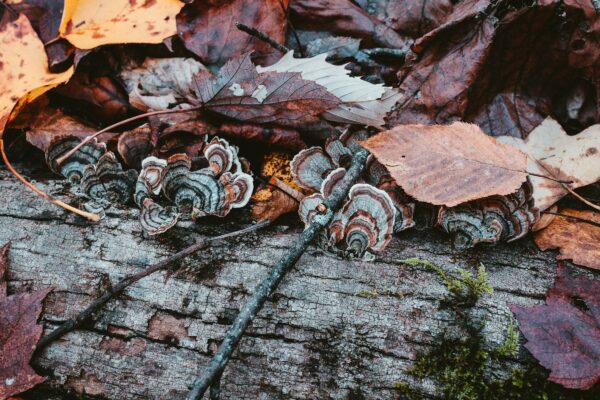
Forest Floor Life
Fungi, mosses, logs, and leaf litter reveal decomposition, nutrient cycling, habitat, and interconnected living systems.
Watch how the forest changes as you move through different elevations, slopes, and growing conditions. Differences in moisture, sunlight, temperature, and proximity to streams can influence which trees, plants, fungi, and animals thrive in a particular place. In the Smokies, even a short change in elevation or a move from a sunny ridge to a shaded, sheltered hollow can reveal a noticeably different living community. These transitions offer a fascinating glimpse into the diversity and intricate ecological relationships found throughout the mountains.
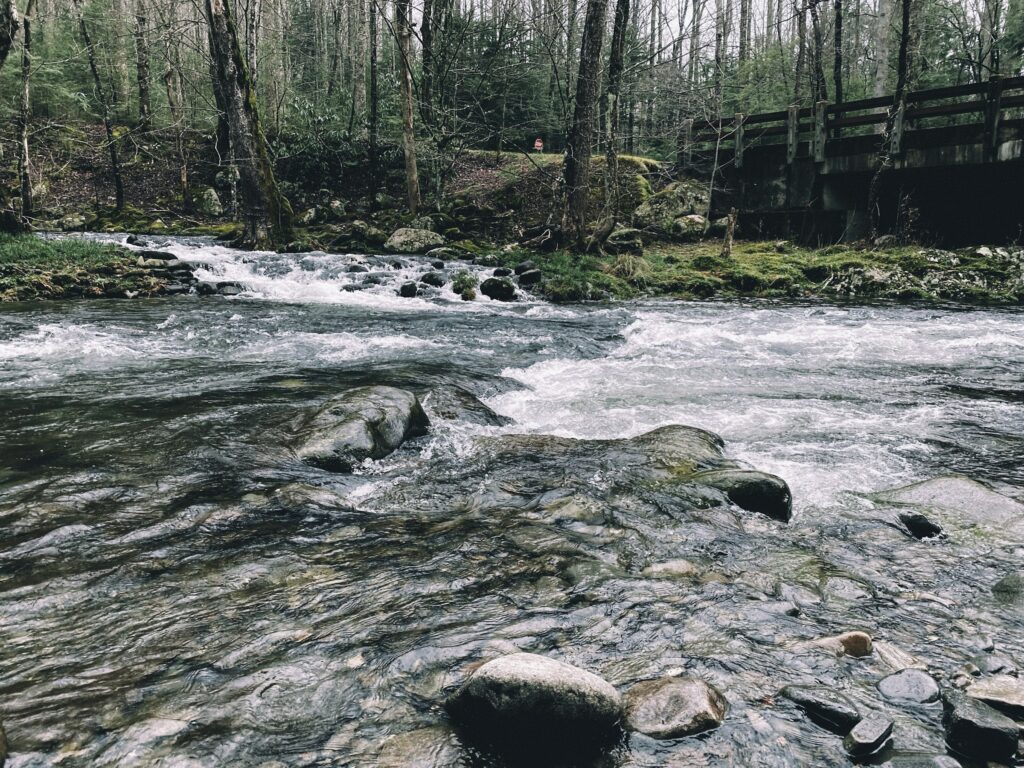
Water Gives the Mountains a Voice
Rushing streams, waterfalls, rain, mist, and mountain watersheds shape both the landscape and the living communities around them.
Water provides a natural bridge between geology and biology. It cuts valleys and moves sediment while also sustaining forests, aquatic habitats, and the extraordinary richness of life found throughout the park.